A site flagged as dangerous
A site for which browsers or search engines display a warning, or that redirects visitors to unknown pages.
Maintenance and security
Website security for companies that want to reduce the risk of intrusion, data loss or defacement: audit, hardening, HTTPS, backups and a response plan.
NETREX is based in Casablanca, Morocco, and works remotely for this market.
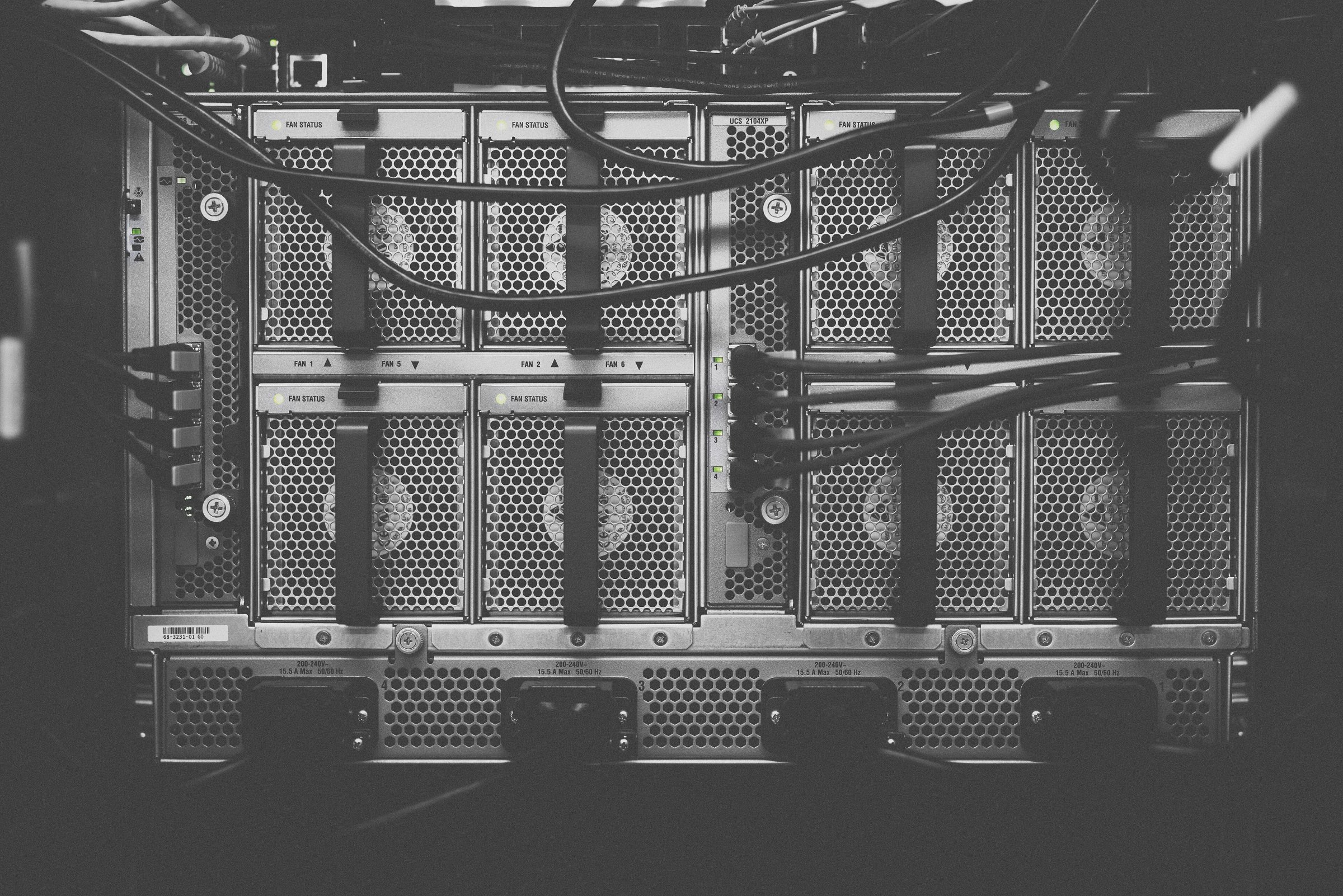
Website security is the set of technical and organizational measures that protect a site, its data and its visitors against intrusion, data theft, malicious code and service interruption. It does not make a site invulnerable: it lowers the probability of an incident and limits its consequences.
Most compromises exploit a small number of weaknesses: outdated software, weak or reused passwords, unvalidated input, excessive permissions and missing backups. The work addresses each of them:
Security deserves attention before an incident: when a site collects personal data, handles payments or accounts, has not been updated for a long time, or has changed hands between several providers. It also becomes urgent after a warning sign, such as a browser alert, unknown pages in search results or redirects to other sites.
We start with a security audit of the site and its hosting, based on recognized good practice such as the common web risks documented by the OWASP project. Findings are ranked by severity and corrected in that order. For applications we develop with Laravel, the protections of the framework against common attacks are used and configured correctly. If the site has already been compromised, we first isolate and clean it, restore a sound version and change all access credentials. The work is carried out remotely from Casablanca.
No provider can guarantee that a site will never be attacked or breached. Security also depends on behavior: a shared password or an unchecked plugin installed later can undo technical measures. Legal obligations about personal data and breach notification differ between jurisdictions and remain your responsibility, with the help of a legal adviser. Security is maintained over time, which is why it is usually combined with a maintenance agreement.
The audit lists the vulnerabilities found and the corrections remove them in order of severity.
HTTPS across the whole site protects the information exchanged between browsers and your server.
Tested off-site backups make it possible to restore the site and its data if something goes wrong.
Each person has an individual account with the rights needed for the role, and nothing more.
You receive a written statement of the risks, of what was done and of what remains to be watched.
A list of the weaknesses found in the site, the server configuration and access management, ranked by severity.
The application of the fixes agreed with you: updates, configuration changes and code corrections.
A valid TLS certificate, redirection of all pages to HTTPS and the configuration of protective HTTP headers.
Removal of unused accounts, strengthened passwords, two-factor authentication where available and adjusted roles.
Automated backups stored away from the site, with a documented and tested restore procedure.
A short document stating whom to contact and which steps to take if a compromise is suspected.
Method
We examine the site, its dependencies, its hosting and its access accounts.
We present the findings and agree on the order of the corrections.
We apply the fixes, configure HTTPS, headers, permissions and backups.
We test the site again to confirm that the corrections are effective and that nothing is broken.
We set up alerts and recommend the recurring tasks needed to keep the level reached.
A site for which browsers or search engines display a warning, or that redirects visitors to unknown pages.
A company whose forms or customer accounts store information that must be protected.
A site without a valid certificate or with mixed content that triggers "not secure" notices.
A company taking back control of a site and wanting to know who still has access and in what condition it is.
 Laravel
 PHP
 MySQL
 PostgreSQL
NETREX is based in Casablanca and works remotely for this market: scoping by video call, written follow-up and deliverables shared online. No local office is claimed. Businesses established in Quebec must offer their website in French under the Charter of the French Language, so an English-French site is often the right choice. Personal information is governed by PIPEDA federally and by Law 25 in Quebec, and commercial email by Canada’s Anti-Spam Legislation (CASL).
FAQ
Many attacks are automated and scan sites for known weaknesses without regard to their size or sector. A small site can be used to send spam, host malicious pages or reach its visitors, so basic protections are relevant for every site.
Avoid deleting files, since they help to understand what happened, and change the passwords of the hosting and administration accounts. Then contact us with the symptoms observed. We isolate the site, look for the entry point, clean or restore it and close the weakness used.
HTTPS encrypts the exchange between the visitor and the server and confirms the identity of the site. It is necessary but does not protect against outdated software, weak passwords or flaws in the code, which require other measures.
No, and no provider can honestly do so. We document the weaknesses found, the corrections applied and the residual risks, and we set up backups and alerts so that an incident is detected and recoverable.
No. Audits and corrections are performed remotely through secure connections, with access that you grant and can revoke. NETREX is based in Casablanca and works this way with all its clients.
An audit describes the situation at a given moment. New vulnerabilities are published regularly and sites change, so updates, backups and monitoring need to continue, generally within a maintenance agreement.
Website maintenance for companies that want their site kept up to date, backed up, monitored and corrected, without managing the technical side themselves.
Quote
Send us your website address and any warning signs you have noticed, and we will explain what a security audit would cover.
NETREX is based in Casablanca, Morocco, and works remotely for this market.